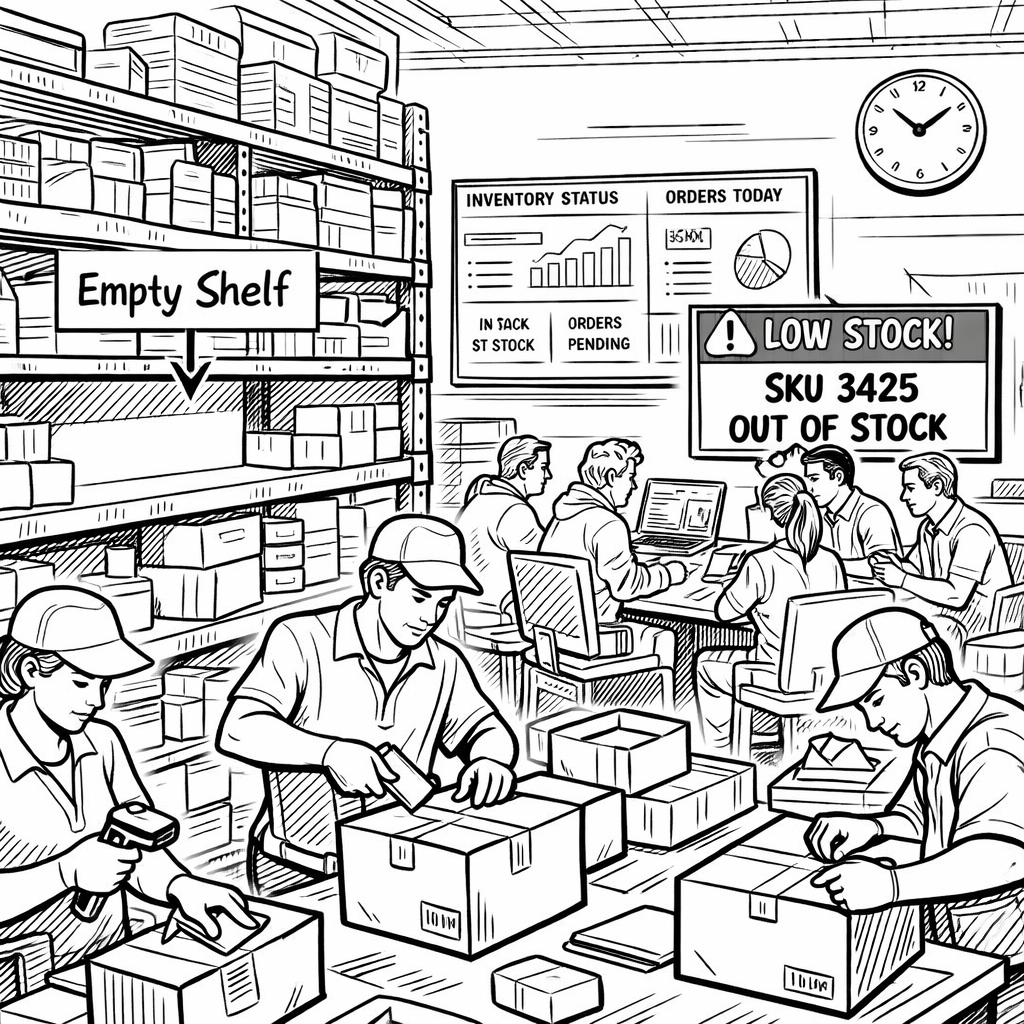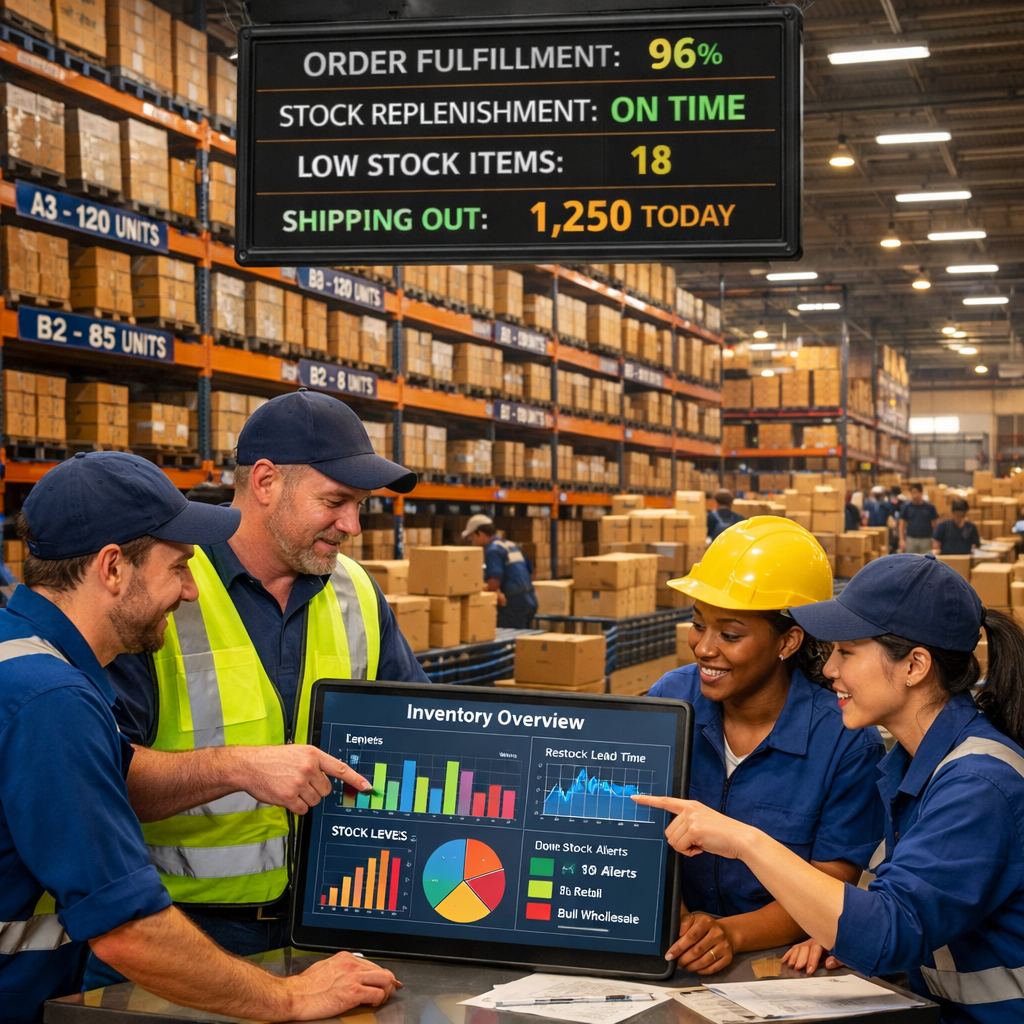
Amazon inventory tracking stops being simple once your operation starts to scale.
In operations with few SKUs and a single logistics flow, inventory usually sits in one location and is controlled by a single system. In that setup, the question “how many units do we have?” usually has a straightforward answer.